AI Models · Alibaba
WAN 3.0 — half a minute, in one breath.
WAN 3.0 is Alibaba’s video model, and the reason to reach for it is length. It generates clips of 5, 10, 15, 20, 25 or 30 seconds in a single unbroken take — the longest generation in King AI’s catalog — with audio on every tier, at 1 credit a second at 720p and 2 at 1080p.
Specs
What WAN 3.0 actually does.
Every figure below is read from the app's own model catalog at build time, so it is the number you will be charged — not a rounded marketing estimate.
| Mode | Engine | Max resolution | Clip length | Audio | Credits |
|---|---|---|---|---|---|
| Text to video | WAN 3.0 | 720p | 5s·10s·15s·20s·25s·30s | Yes | 1 per second (~$0.40) |
| Text to video, 1080p | WAN 3.0 1080p | 1080p | 5s·10s·15s·20s·25s·30s | Yes | 2 per second (~$0.80) |
| Image to video | WAN 3.0 | 720p | 5s·10s·15s·20s·25s·30s | Yes | 1 per second (~$0.40) |
| Image to video, 1080p | WAN 3.0 1080p | 1080p | 5s·10s·15s·20s·25s·30s | Yes | 2 per second (~$0.80) |
| Reference to video | WAN 3.0 Reference | 720p | 5s·10s·15s·20s·25s·30s | Yes | 1 per second (~$0.40) |
| Reference to video, 1080p | WAN 3.0 Reference 1080p | 1080p | 5s·10s·15s·20s·25s·30s | Yes | 2 per second (~$0.80) |
| Text to video, Prime 1080p | WAN 3.0 Prime 1080p | 1080p | 5s·10s·15s·20s·25s·30s | Yes | 2.8 per second (~$1.12) |
| Image to video, Prime 1080p | WAN 3.0 Prime 1080p | 1080p | 5s·10s·15s·20s·25s·30s | Yes | 2.8 per second (~$1.12) |
Strengths
What WAN 3.0 does best.
The longest single take in the app — 30 seconds, billed by the second.
30 seconds without a cut
No text- or image-to-video engine in the catalog generates a longer single take. Where Veo stops at 8 seconds and Kling at 15, WAN 3.0 runs to 30 — long enough for a whole process shot, a walk-through or a demo, with no seam to hide.
The cheapest long second
Among the engines that reach 30 seconds, WAN 3.0 fills a second for 1 credit at 720p and 2 at 1080p — the lowest rate at each of those two resolutions in that group.
Audio on every tier
720p, 1080p, image-to-video, reference-to-video and both Prime tiers all generate sound with the picture, so a long take does not arrive silent and needing a second job.
Three ways in, at two resolutions
Text, a starting image and reference material all reach the same engine, and each of them exists at 720p and at 1080p. Draft at the lower rate, deliver at the higher one, same prompt.
Limits
Where WAN 3.0 is the wrong pick.
No model wins every shot. These are the cases where something else in the app is the better spend.
Length is the whole cost. At 2 credits a second, a full 30-second take at 1080p is 60 credits — more than four times an 8-second Veo 3.1 clip at 32. Long is the feature, and long is the bill; generate the short version first.
The base tier is 720p. The 1080p tiers cost exactly twice as much per second, so the decision is not free — for a shot that ends up cropped to a phone frame, 720p at 1 credit a second is usually the honest choice.
There is no 4K tier and no extend mode. WAN gives you one long take at up to 1080p; a 4K delivery has to come from a 4K tier of Veo, Kling, Seedance or Vidu, or an upscale pass, and anything past 30 seconds has to be chained in the video extender.
WAN 3.0 Prime is a different price, not a different resolution. Prime is the post-trained pass for prompt adherence; at 1080p it bills more per second than plain WAN 3.0 1080p for the same number of pixels, so reach for it only when the base tier keeps missing a detail you asked for.
Head to head
WAN 3.0 against the alternatives.
The same six columns for the models you would realistically pick instead, on the same job.
| Model | Max resolution | Clip length | Audio | Credits per second | Shortest clip |
|---|---|---|---|---|---|
| WAN 3.0 | 720p | 5s·10s·15s·20s·25s·30s | Yes | 1 (~$0.40) | 5s · 5 credits (~$2.00) |
| WAN 3.0 1080p | 1080p | 5s·10s·15s·20s·25s·30s | Yes | 2 (~$0.80) | 5s · 10 credits (~$4.00) |
| LTX 2.5 Fast | 1080p | 10s·20s | Yes | 1.3 (~$0.52) | 10s · 13 credits (~$5.20) |
| Kling V3 Pro | 1080p | 5s·10s·15s | Yes | 1.68 (~$0.67) | 5s · 8.4 credits (~$3.36) |
| Seedance 2.0 | 1080p | 5s·10s·15s | Yes | 6.804 (~$2.72) | 5s · 34.02 credits (~$13.61) |
Best for
Where to use WAN 3.0.
Every card links to the King AI tool for that job.
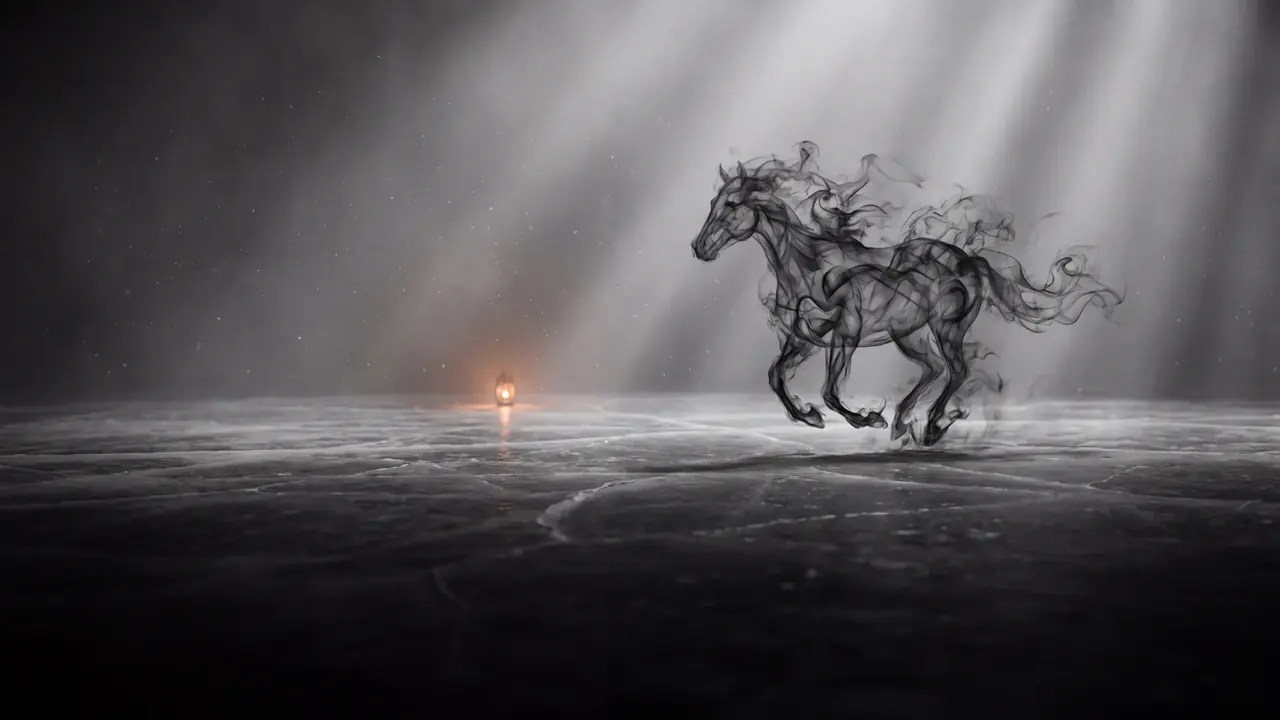
Process and demo shots
A whole action from beginning to end, with nothing edited out of the middle.
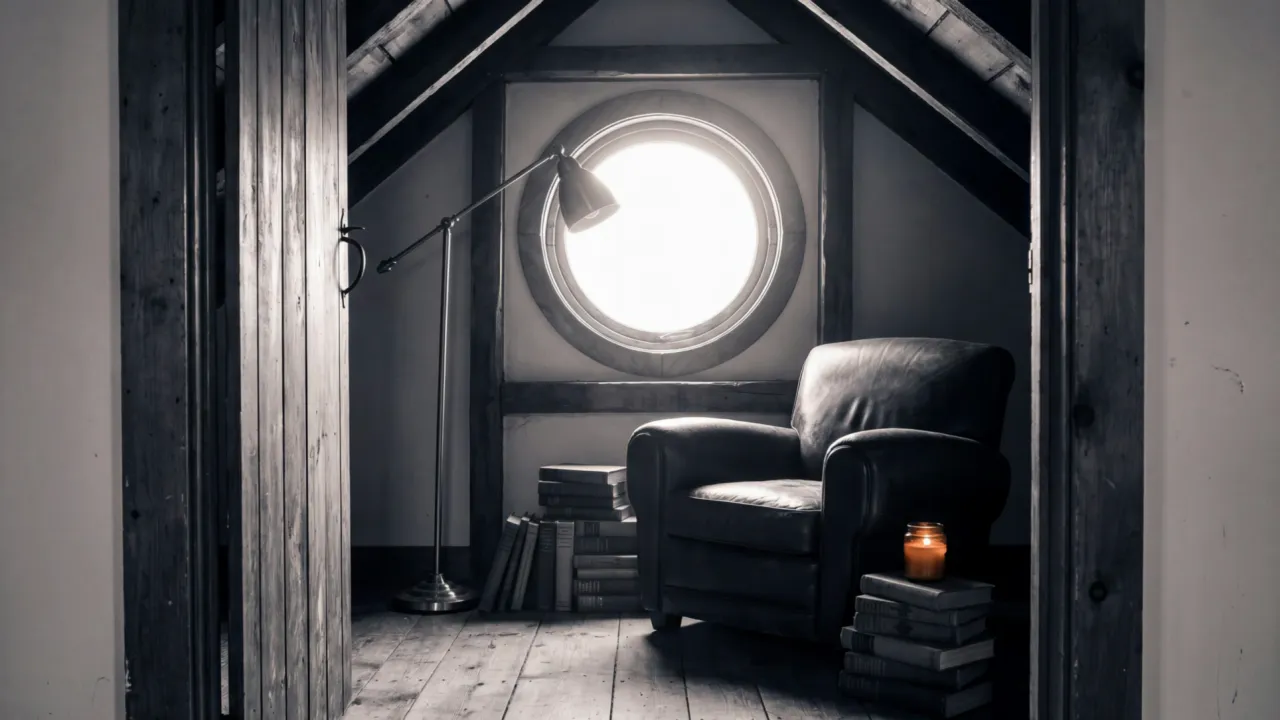
Walk-throughs
Property, venue and interior moves that would break at an eight-second cut.
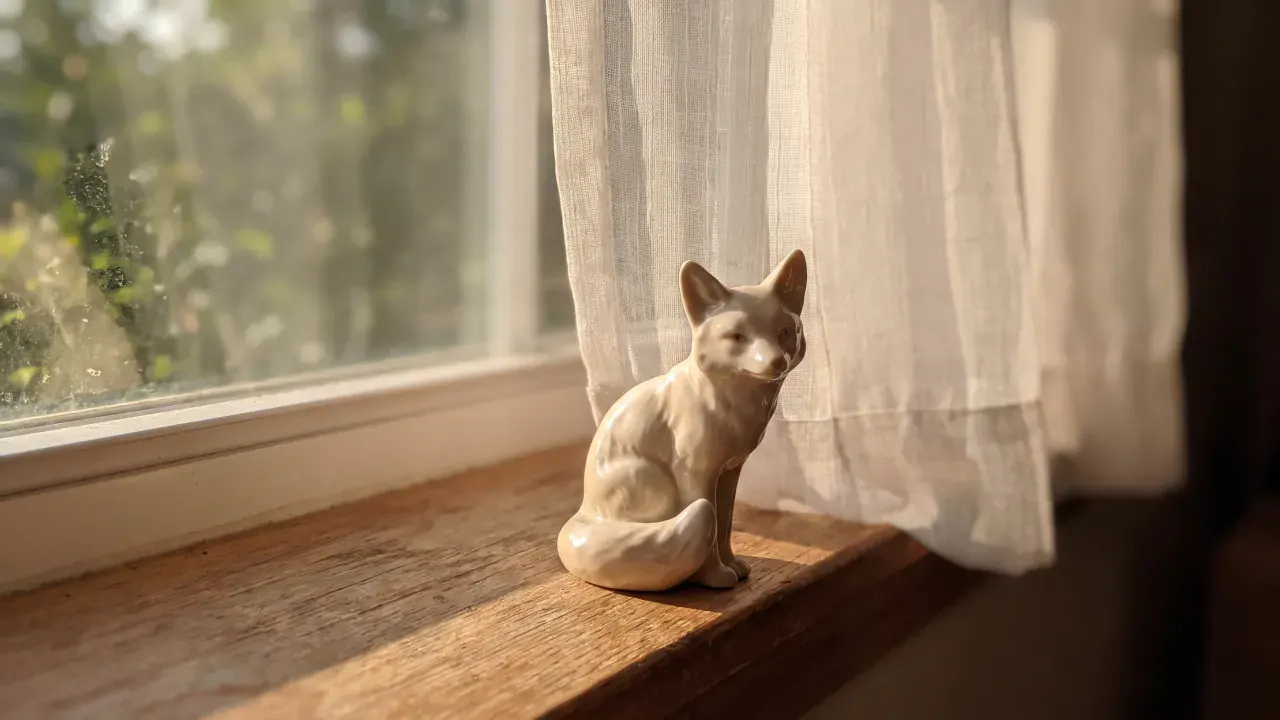
Long photo animations
A still that has to keep moving for far longer than a stock loop.

Reference-led scenes
Carry a character or a product through a long take with reference material.
How it works
Getting the most out of WAN 3.0.
Ask for the whole action
WAN is only worth its rate when the shot has somewhere to go. Describe a beginning and an end — a walk that arrives, a process that finishes — rather than a mood that has to hold for 30 seconds.
Pick the length
WAN offers 5, 10, 15, 20, 25 or 30 seconds. At 720p a five-second take is 5 credits and a 30-second one 30: find the shot short, then run the long take.
Draft at 720p
The two resolutions take the same prompt and differ by exactly double the rate: 1 against 2 credits a second. Find the take at 720p, then re-run the keeper at 1080p.
Say what the camera does once
A long take punishes contradictory camera direction. Name a single continuous move — a drift, a rise, a track — and let the subject supply the rest of the change.
Prompts
Three prompts that play to WAN 3.0's strengths.
Written for this engine, not swapped between pages. Each one opens the studio with WAN 3.0 selected and the prompt already in the box — the cost shown is what one clip at the shortest length it offers will take off your balance.
Half a minute, no cut
“An unbroken walk through a night market: the camera drifts past a noodle stall, a fishmonger’s crushed ice and a fortune teller’s lamp, never cutting, never doubling back on itself.”
5s · 5 credits (~$2.00)
Generate on WAN 3.0 →A process, start to finish
“A potter centres clay from lump to open bowl in one continuous take — hands wet, wheel spinning, water flicking off the rim, a workshop radio playing faintly in another room.”
5s · 5 credits (~$2.00)
Generate on WAN 3.0 →One move, twenty seconds
“A slow rise from a fishing boat’s deck to a wide of the whole harbour at sunrise, gulls crossing the frame, the engine noise falling away as the shot climbs above the masts.”
5s · 5 credits (~$2.00)
Generate on WAN 3.0 →Proof
Same prompt, this engine.
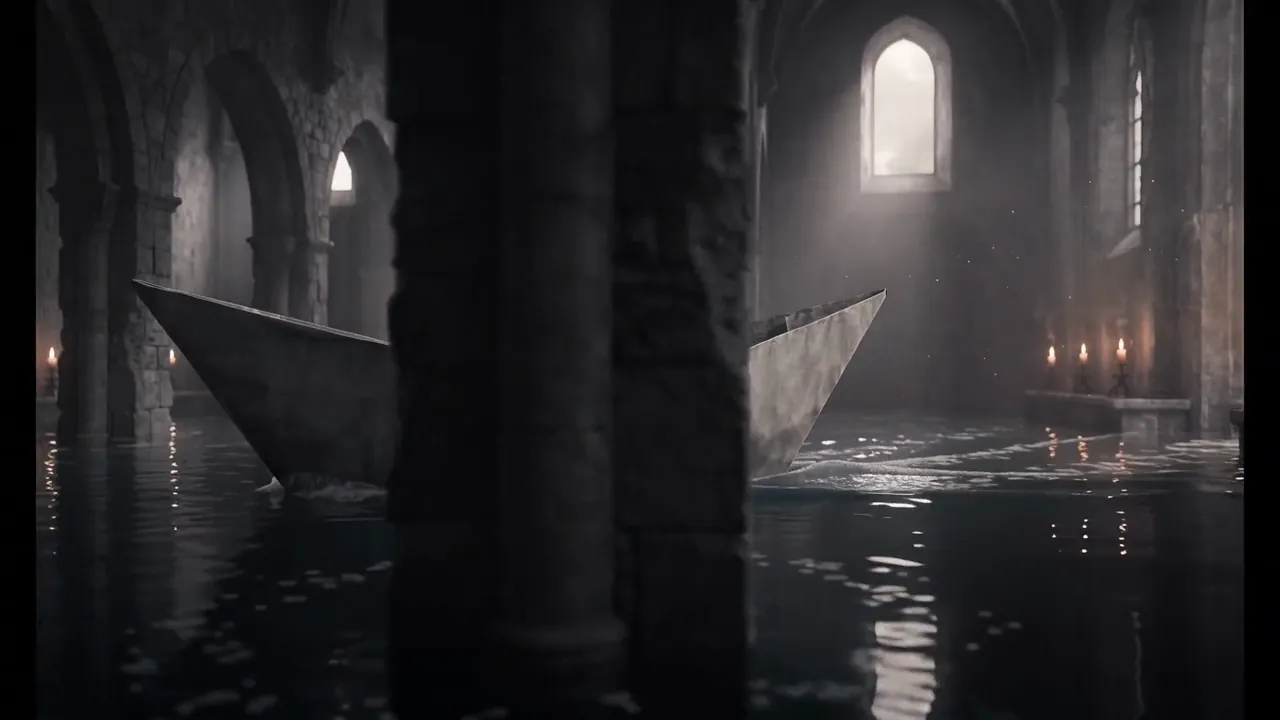
One prompt was sent to seven engines from the same starting frame. This is what WAN 3.0 1080p did with it. The prompt, word for word: “A paper boat the size of a ship sails through a flooded cathedral at dawn, candle flames guttering as it passes, water lapping the stone, slow lateral dolly, 35mm, natural light, the sound of water and wind, continuous motion, no cuts, no new objects”
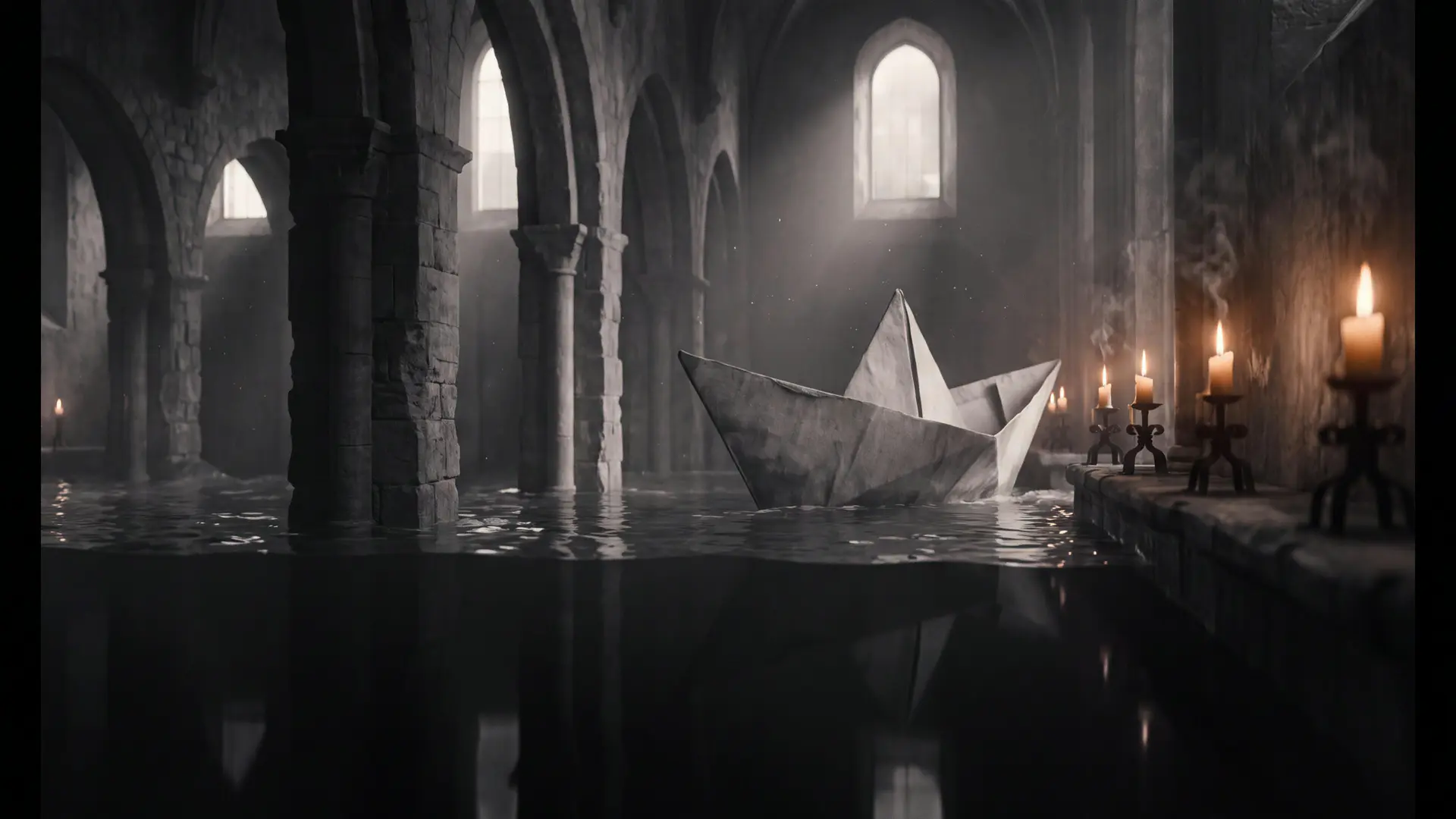
WAN 3.0 1080p, run on the prompt above at 1080p. Tap or scroll and the still becomes the clip.
Keep exploring
Related models & guides.
Same-prompt comparisons
Every flagship pair on one photo and one prompt, with what each engine costs.
ExploreImage to video with WAN 3.0
Animate a photo with WAN 3.0: the specs, the cost and what the model does with a still.
ExploreKling V3 Pro
5, 10 or 15 seconds at 1080p, with audio, at under half Veo 3.1's rate.
ExploreLTX 2.5 Pro
Fast, cheap 1080p with native audio, and 20 seconds on the fast tier.
ExploreBest AI video generators — six compared
Six flagships, and what we would pick each one for.
ExploreFAQ
WAN 3.0, answered.
How long can a WAN 3.0 video be?
5, 10, 15, 20, 25 or 30 seconds, each in one generation. That is the longest single take of any video model in King AI — Veo 3.1 stops at 8 seconds and Kling V3 Pro at 15. For anything past 30 seconds, chain clips in the video extender.
How much does a WAN 3.0 video cost in King AI?
King AI bills per second. WAN 3.0 costs 1 credit a second at 720p, so a 10-second take is 10 credits and a full 30-second take is 30. WAN 3.0 1080p costs 2 credits a second, and WAN 3.0 Prime 1080p costs 2.8. In most countries, your first video is on us: new verified accounts get one five-second video on our lowest-cost video model, once. A five-second WAN 3.0 run costs more than the first video on us, so it needs credits from a plan or credit pack.
Does WAN 3.0 generate audio?
Yes. Every WAN 3.0 tier in King AI — text-to-video, image-to-video and reference-to-video, at both resolutions, plus the Prime tiers — generates sound alongside the picture, so naming the ambience in your prompt changes what you hear.
What is the difference between WAN 3.0 and WAN 3.0 Prime?
Prime is a post-trained pass on the same model, aimed at following the prompt more closely. It is not a resolution step: WAN 3.0 Prime 1080p outputs the same 1080p as WAN 3.0 1080p but bills 2.8 credits a second against 2. Use it when the base tier keeps dropping a detail you asked for.
Is WAN 3.0 better than Kling or Veo for a long shot?
For a single unbroken take, yes — no text- or image-to-video engine here runs longer than its 30 seconds, and it is the cheapest second among the engines that get that far. For an 8-second shot with dialogue, or human motion under 15 seconds, run the same prompt on Veo 3.1 or Kling V3 Pro and compare the takes.
Get started
Try WAN 3.0 today.
In most countries, your first video is on us: new verified accounts get one five-second video on our lowest-cost video model, once. A five-second WAN 3.0 run costs more than the first video on us, so it needs credits from a plan or credit pack.